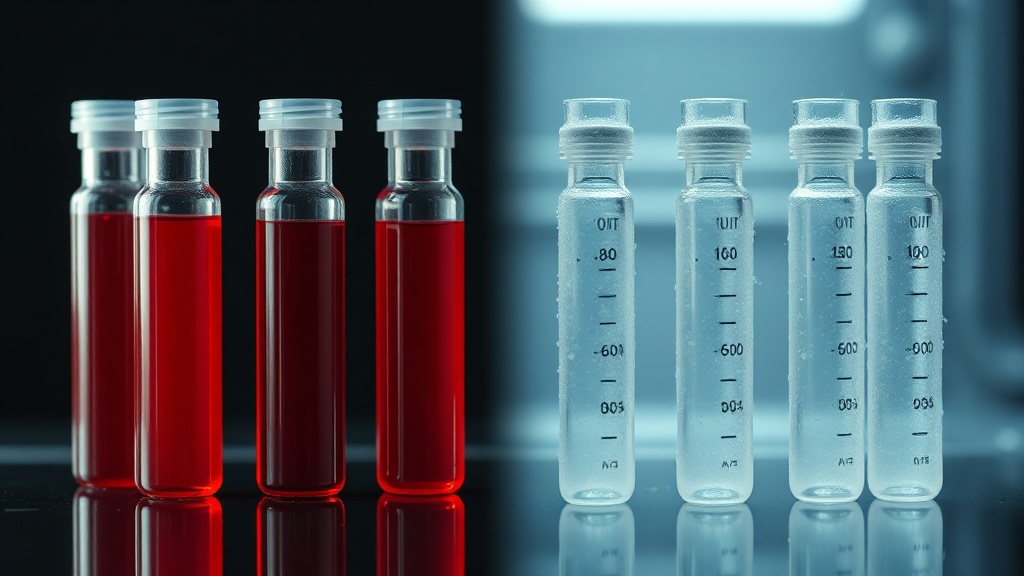



Tech transfer for cGMP cell therapy manufacturing rarely fails because of one missing document. It fails because four upstream gaps were not surfaced before the sponsor signed the MSA. The four gaps: donor variability between sending and receiving sites, analytical method scope mismatch, equipment and scale assumptions that were not benchmarked, and comparability study scope that grows mid-transfer. Sponsors who scope these four areas explicitly during vendor selection cut transfer timelines by months.
Why “tech transfer” fails differently in cell therapy than small molecules
Cell therapy tech transfer is materially different from small molecule or biologics tech transfer. The starting material is biological, donor-derived, and variable. The product is alive. The analytical methods (flow cytometry, potency assays, viability, sterility) are platform-dependent. The receiving CDMO often runs different equipment, different cell counters, different cryopreservation profiles than the sending site. These are not document gaps. They are technical mismatches that were never benchmarked. A sponsor who treats tech transfer as “send the SOPs and the materials” misses the upstream work.
The four most common delay causes
1. Donor variability between sending and receiving site The sending site qualified the process on Donor A through Donor F. The receiving CDMO sources from a different donor pool with different HLA distribution, different CMV status, different baseline immune cell composition. The first three engineering runs at the receiving site fail not because the process is broken, but because the donor population is different. Fix: align donor pools at vendor selection. Sponsors that source RUO and cGMP from the same donor pool (single donor pool across the program) avoid this entirely. 2. Analytical method scope mismatch Sending site runs 8-color flow cytometry with specific antibody panels. Receiving CDMO has different cytometer, different panels, validates different markers. The “comparability” study balloons because every release assay needs cross-validation. Fix: scope analytical methods at vendor selection, not at transfer kickoff. 3. Equipment and scale assumptions Sending site processed at 1L scale. Receiving CDMO is set up for 5L. The first scale-up engineering run reveals that culture time, harvest method, and cryopreservation kinetics need re-validation at the new scale. Fix: confirm scale assumptions and equipment models in due diligence, before the MSA. 4. Comparability study scope creep Initial comparability scope said “phenotype, viability, potency at three time points.” Mid-transfer, FDA pre-IND comments add stability comparability and a cytokine release panel. Suddenly the comparability program tripled. Fix: align with sponsor regulatory team on comparability scope before writing the transfer protocol, not after.
OrganaBio runs 1,000+ qualified, recallable donors. The same pool serves your process development RUO orders and your cGMP clinical material. Programs that scale from preclinical to IND-enabling do not requalify donors when transferring to OrganaBio cGMP manufacturing. That alone removes one of the four most common tech transfer delay causes.
What sponsors should ask CDMO candidates before signing
Before signing an MSA for cGMP cell therapy manufacturing, a sponsor should get specific, documented answers to:
- What is your donor pool overlap with our process development donor pool? Show me the HLA distribution.
- Walk me through your last three failed engineering runs at scale. What were the root causes?
- Show me your analytical method transfer SOPs. How long does an 8-color flow panel take to cross-validate?
- What is your typical comparability program scope, in vials and time points and assays?
- How many cell therapy programs have you transferred IN successfully in the last 24 months?
The answers reveal whether the CDMO has run this play before, or whether your program will be the engineering-run education for them.
Schedule a 30-minute scoping call. We will walk through your specific program needs and where OrganaBio fits.