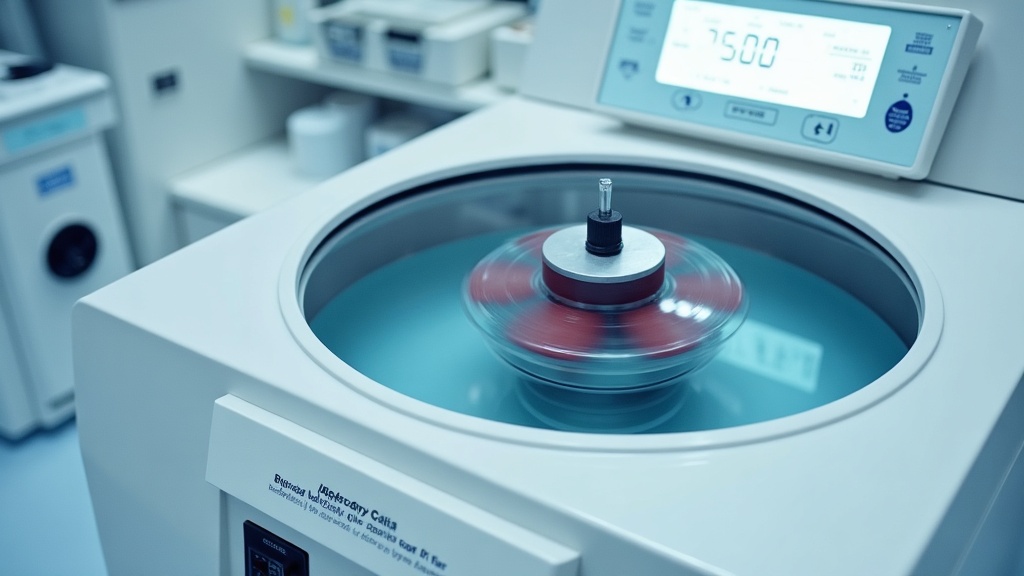



PBMC quality variability is not one problem with one fix. It is a four-source problem: donor-to-donor biological variation, time-in-transit before processing, isolation method differences, and freeze-thaw cycle damage. Programs that try to fix variability by changing one source (e.g., switching vendors) typically discover the next source is the binding constraint. Controlling all four requires architecture decisions at vendor selection.
The four sources of PBMC quality variability
Source 1: Donor-to-donor biological variation Every donor produces a different PBMC profile. CD4:CD8 ratios vary, NK cell frequency varies, monocyte composition varies, total cell yield per leukopak varies. CMV status, age, sex, HLA distribution all contribute. This is biology, not pathology. The fix is not eliminating variation, it is documenting it (per-donor CoA) so downstream programs can stratify or select. Source 2: Time in transit before processing PBMCs lose viability and undergo phenotypic drift after 4–6 hours from collection. Centralized processing introduces 18–24 hour transit windows. Samples arriving at hour 22 look different from samples processed at hour 2 even from the same donor. The fix is decentralized processing that compresses transit time below the viability window. Source 3: Isolation method variance Density gradient centrifugation (Ficoll, etc.) produces different yields and purities than immunomagnetic enrichment. Different centrifuges, different gradient densities, different operator technique all introduce variance. The fix is method standardization within a single processor’s quality system, with documented method validation. Source 4: Freeze-thaw cycle damage Cryopreservation introduces ice crystal damage. Slow freeze rates with controlled-rate freezers and DMSO-based cryoprotectants minimize damage but do not eliminate it. Each thaw cycle damages cells further. The fix is single-thaw protocols, controlled-rate freezing equipment, and validated cryopreservation media.
Which source is the binding constraint for your program
Different programs have different binding constraints:
- Biomarker discovery programs — donor variability is usually the top concern, since donor heterogeneity can swamp biomarker signal. Solution: stratified donor selection or matched-donor protocols.
- Drug screening programs — isolation method variance is often the binding constraint, since assay readouts depend on consistent input cell composition. Solution: single-vendor, single-method, single-batch sourcing.
- Cell therapy clinical trials — transit time and freeze-thaw quality are typically the binding constraints, since downstream manufacturing yield depends on starting material integrity. Solution: decentralized processing with cryopreservation under one quality system.
- Multi-site biomarker trials — all four sources stack. Solution: single processor with multi-site coverage and one quality system.
OrganaBio controls all four variability sources: 1,000+ qualified donors with full CoA per donor (donor variability documented), 30-min receipt-to-processing via decentralized labs (transit time controlled), validated immunomagnetic enrichment (method standardized), controlled-rate freezing with single-thaw protocols (freeze-thaw damage minimized). Result: 99.1% post-thaw viability average across 2,500+ clinical samples processed.
What vendor specifications matter for variability control
When evaluating PBMC vendors for variability control, ask for documented data on each source:
- Donor pool — How many qualified donors? What characteristics tracked? What is the per-donor CoA scope?
- Transit and processing time — What is the average and worst-case time from collection to cryopreservation, across actual production samples?
- Isolation method — What method, what validation, what acceptance criteria?
- Cryopreservation — What freeze rate, what cryoprotectant, what storage temperature, what post-thaw viability average across N samples?
Vendors that cannot answer these in numbers are not controlling variability. They are accepting it.
Schedule a 30-minute scoping call. We will walk through your specific program needs and where OrganaBio fits.