

Why minutes matter in Clinical Cell Handling
Time between sample collection and the first isolation step isn’t just logistics: it’s biology. The shorter and more consistent that window, the more predictable your PBMC performance becomes. When teams talk about “under 30 minutes to process,” they are mitigating a risk that affects cell viability, recovery and functionan early stressor that shows up later in viability, recovery, and function.
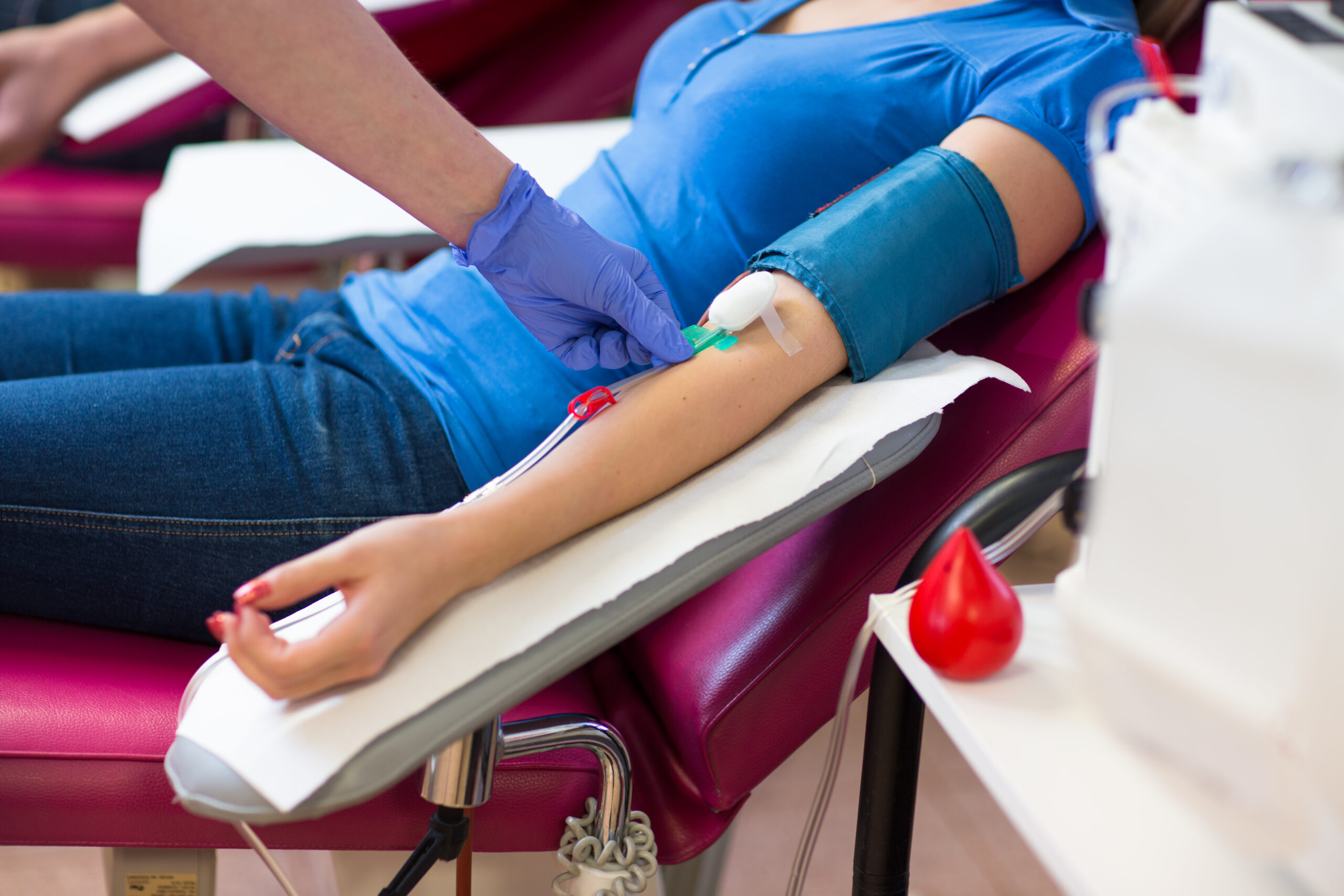
T – 0: Blood draw or sample collection
Label integrity and temperature history start here. If you’re using leukopak inputs, set the handling narrative now: keep temperature within defined bounds, move directly to the lab, and avoid idle holds that nobody planned for.
T+10 minutes: Receipt and verify
Open the clock with a time – stamped receipt. Confirm identity, volume, anticoagulant, and container integrity. If anything is off – spec, decide now whether to continue. Waiting an hour to decide compromises the sample.
T+20 minutes: Stage isolation
Have buffers, media, and tubes at the correct temperature. Centrifuges pre – chilled. Personnel briefed. This is where “<30 minutes” succeeds or fails. Write the staging as an SOP so the system performs, not the hero at the bench.
T+30 minutes: Begin process
Start the first spin. Use gentle mixing and the volumes you validated. Document start/stop times. You’ve just removed a large source of variability: uncontrolled pre – process delay.
Where the benefit shows up later
- Post – thaw viability trends higher and tighter.
- Recovery curves overlay more predictably.
- Functional assays show fewer unexplained dips.
How to implement regionally
Bi – coastal or regional clinical cell processing sites allow real “<30 minutes to process.” If your clinical site sits hours away from your lab, you can schedule a nearby processing hub, then cryopreserve for consistent shipment. That gives you both time control and inventory control.
Documentation to keep
- Time – stamped chain – of – custody from collection – receipt – isolation – cryopreservation – storage/shipment.
- Environmental monitoring logs if applicable.
- A short deviation note any time your timing or temperature deviates; small notes prevent big mysteries.
Common pitfalls
- “We’ll just hold it cold until tomorrow.” That’s a different sample.
- Changing centrifuge braking or spin times to “save time.” That’s changing biology.
- Letting the thaw SOP drift while keeping the process clock strict; both matter.
Practical next steps
- Conduct a dry run: measure today’s true time – to – process with a stop – watch and no samples.
- Remove steps that don’t add quality. Add staging steps that remove delay.
- If transit is the long pole, move processing closer to collection and cryo locally.
Outcome
Under – 30 – minute processing initiation narrows the variance you’ve been attributing to “bad days.” It’s the simplest lever to make the bench feel honest again.
Need help with cell processing? Learn more