

Why this matters right now? Most teams chasing allogeneic cell therapy data are fighting the same enemy: variability at the input. Even when protocols are stable, the switch from one donor to another quietly shifts cell subset ratios, functional response, and ultimately the signal you’re trying to measure.
A recallable, HLA – typed donor program is the most direct way to control that variable without over – engineering your studies.
What “recallable” actually means?
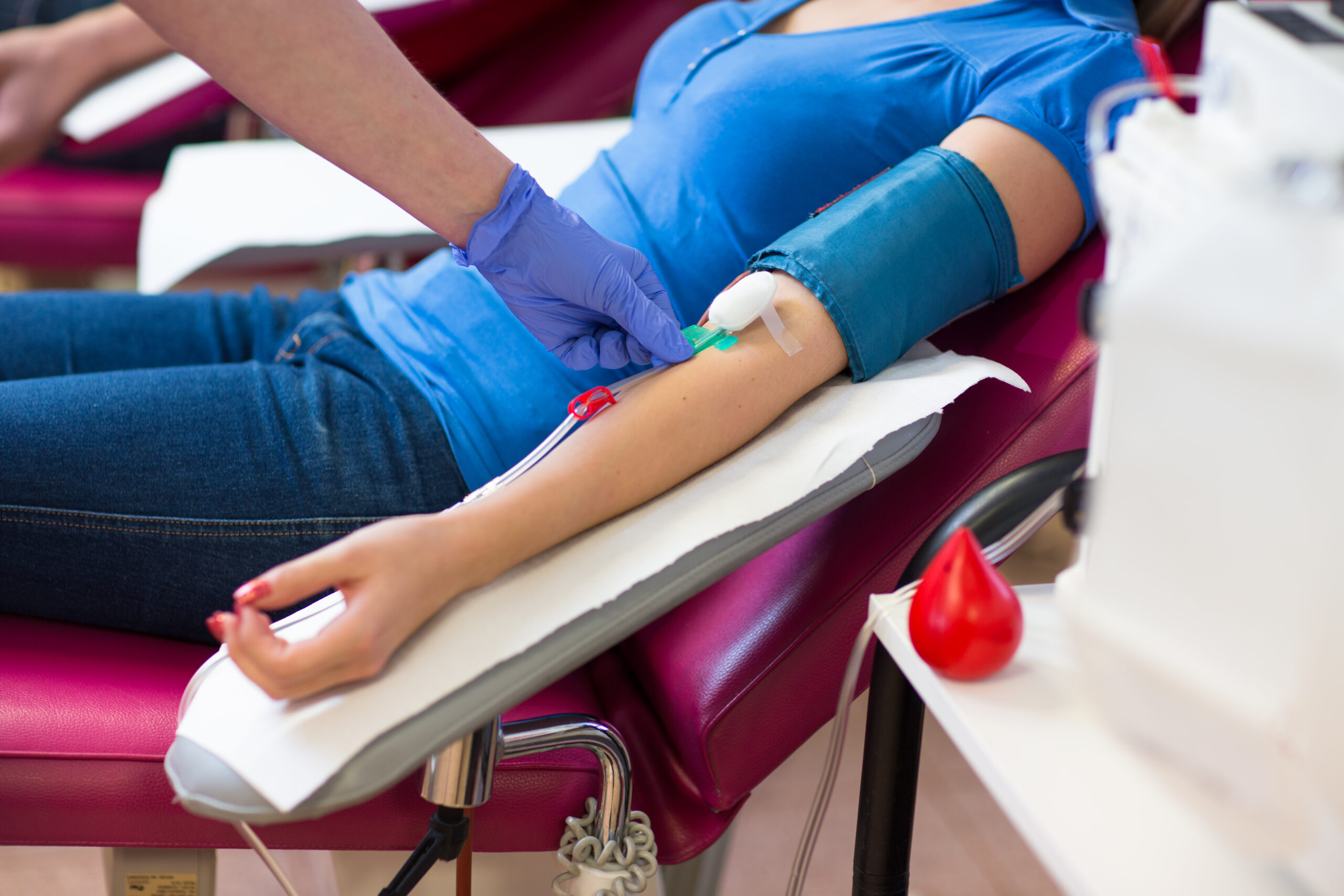
Recallable is more than “we can try to find them again.” It means the donor has been pre – qualified, consented for repeat collections, and can be scheduled on a predictable cadence.
Collections happen with the same apheresis workflow, similar timing, and the same documentation set: medical history summary, infectious disease testing, HLA typing (when requested), and a clear handling SOP. When that package is consistent, your study variability shrinks before you touch a centrifuge.
Where it shows up in the data
- Subset composition: Leukopaks from the same donor tend to maintain stable T – cell and NK – cell proportions from collection to collection, which steadies downstream PBMC behaviors.
- Recovery and viability: With identical donor and consistent clinical cell processing windows, post – thaw viability and recovery are easier to predict and trend.
- Assay comparability: If you run an optimization screen today and a verification run in three weeks, the same donor reduces “mystery variance” when you overlay the curves.
Designing a recall study that works
- Lock your donor specification. Define age range, CMV status, HLA data if needed, and any exclusion criteria that matter to your model.
- Choose cadence before you start. Biweekly or monthly keeps operations honest and helps your team plan bench time.
- Coordinate processing windows. Aim for a stable clock from end of collection to isolation or cryopreservation; this is where many teams gain back repeatability.
- Standardize the thaw story. Temperature, timing, gentle mixing, hold times – write it once and follow it.
- Track the right metrics. Keep a short run book: TNC, viability, subset phenotyping (if relevant), and any assay – specific QC gates.
“Fresh or cryo?” with recallable donors
- Fresh leukopaks reward teams who can stage people and instruments on a tight schedule. You’ll often see the highest peak performance here – if you maintain that schedule.
- Cryopreserved leukopaks convert supply into inventory. When cells are banked consistently (controlled – rate freezing, documented media, monitored storage), you can book repeat thaws as a normal task. The donor remains the constant, and your comparability improves.
Procurement and QA also benefit Fewer emergency re – runs, cleaner chain – of – custody, and a CoA that looks the same collection after collection make purchasing and quality reviews faster. The total cost per usable cell improves when you stop paying for repeats and idle time.
How to pilot this with minimal risk Start with a limited research – use – only (RUO) sample from a recallable donor (quarter leukopak or few PBMC vials to test). Confirm recovery, viability, and cell subset behavior on your own bench. If it meets your thresholds, schedule the donor for the next 60–90 days and keep the paperwork identical each time.